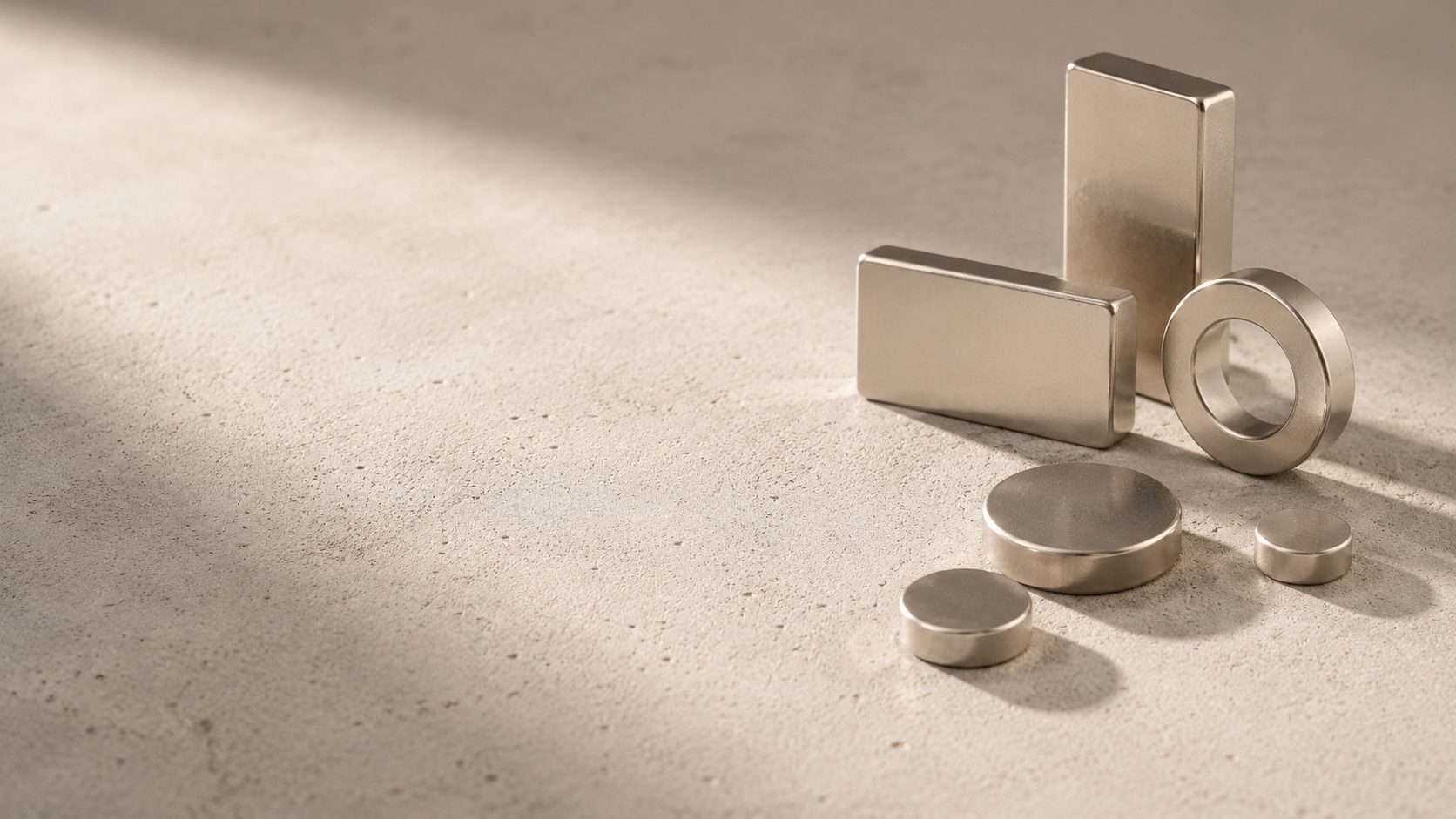
Sintered NdFeB · Yuyao, China · since 2014
Neodymium magnets,
built to your drawing.
Grades N35–N52, plus M/H/SH/UH/EH for heat. Pressed, sintered, ground and coated on one site. Quote in 24 hours, samples in 15 days.
We make one material properly.
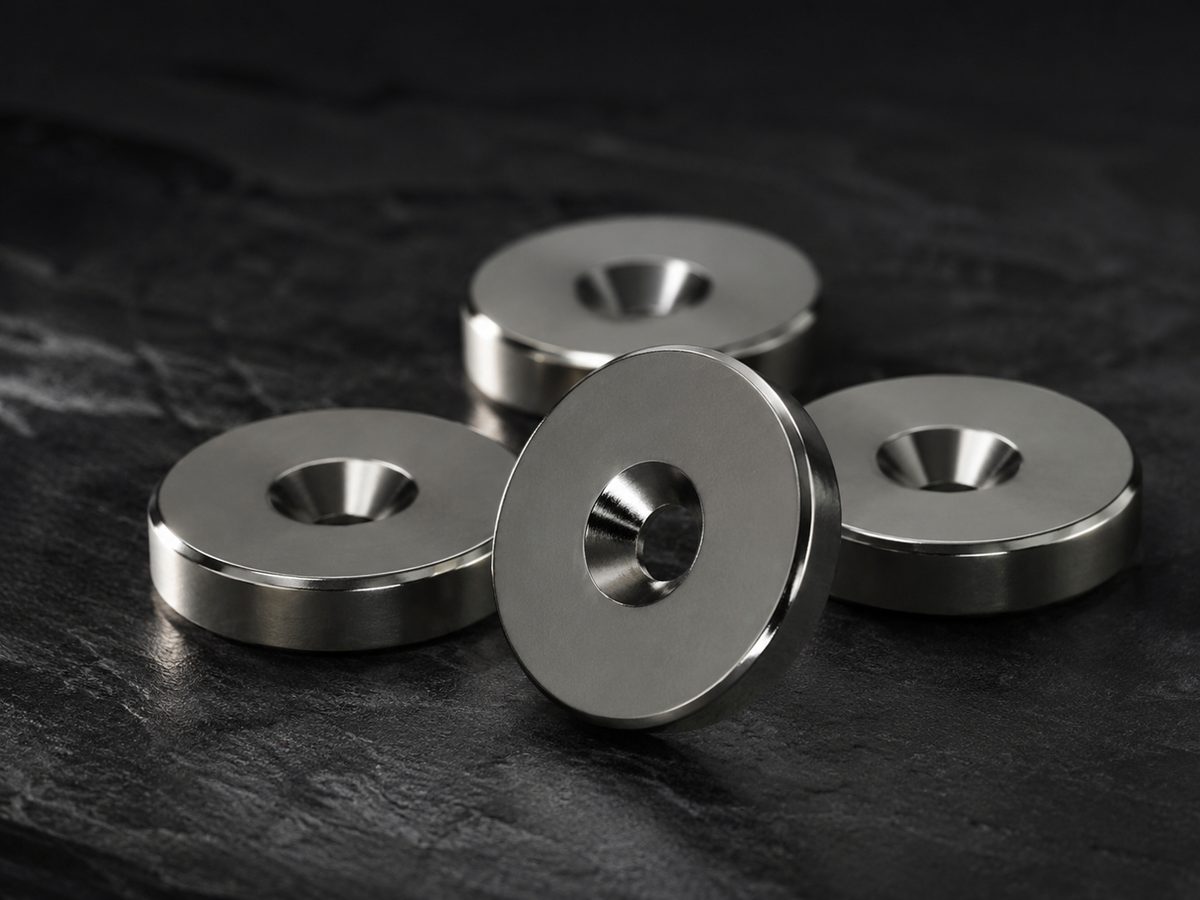
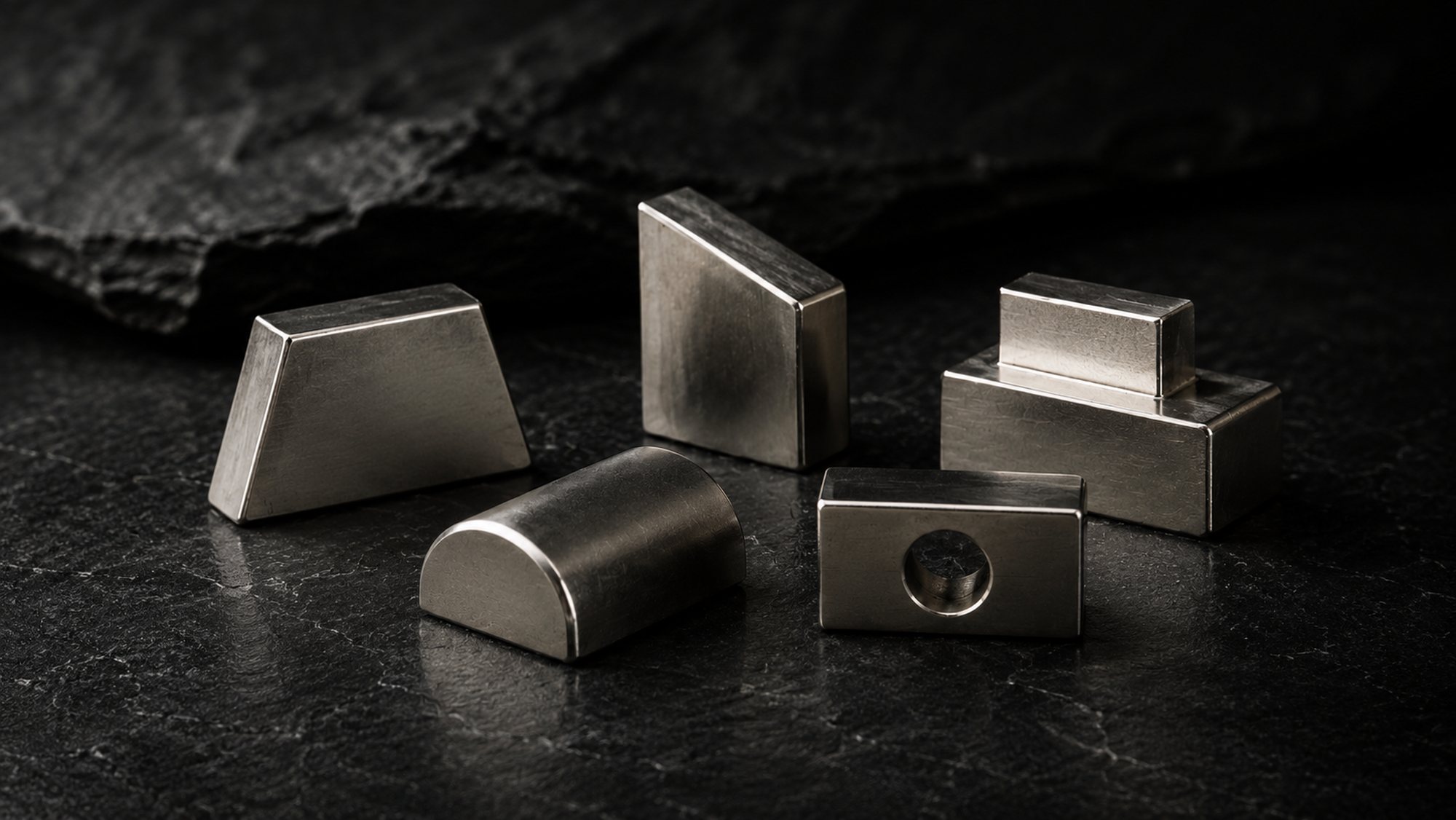
Sintered neodymium-iron-boron, pressed in an aligning field and machined to your print. Most of what leaves Yuyao is custom. Pick a shape — every page carries the grade data, tolerances and the honest trade-offs.
Sintered NdFeB
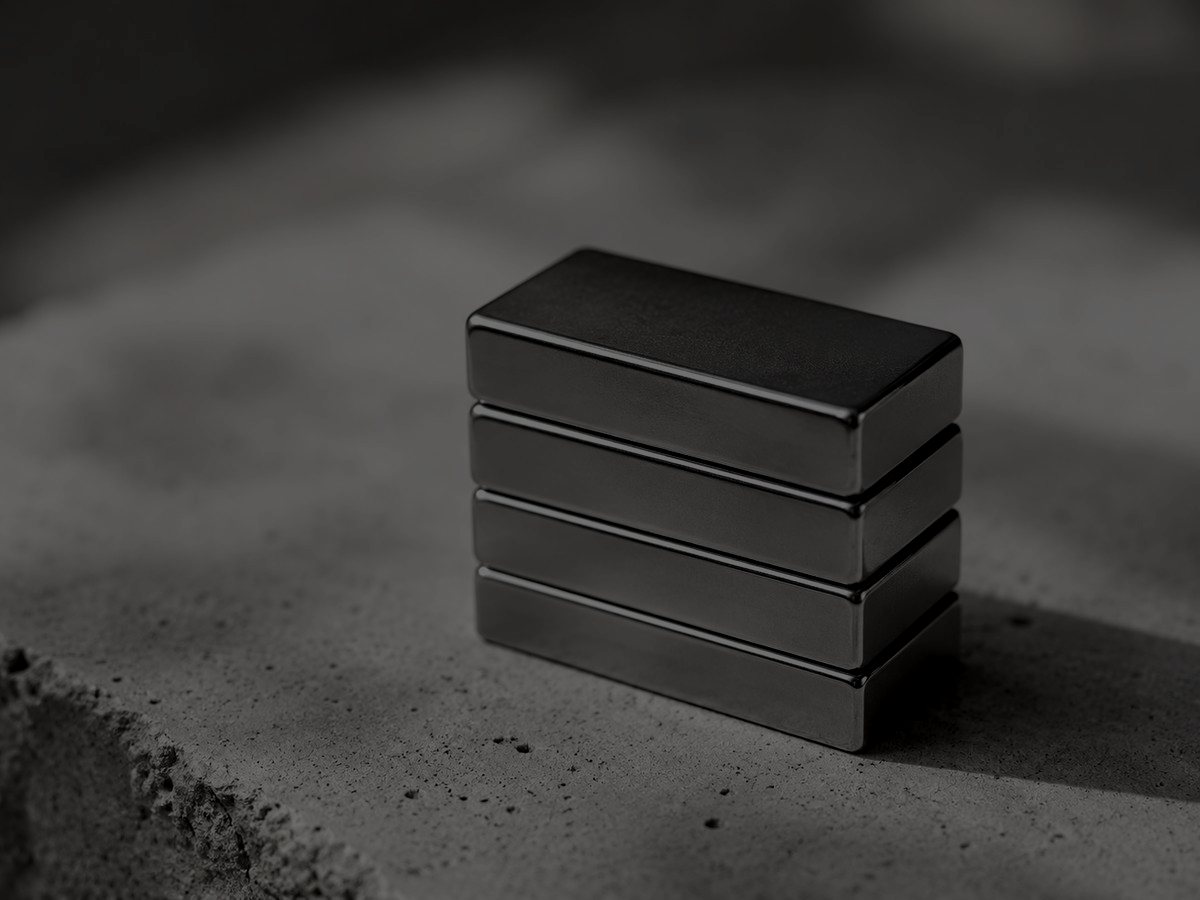
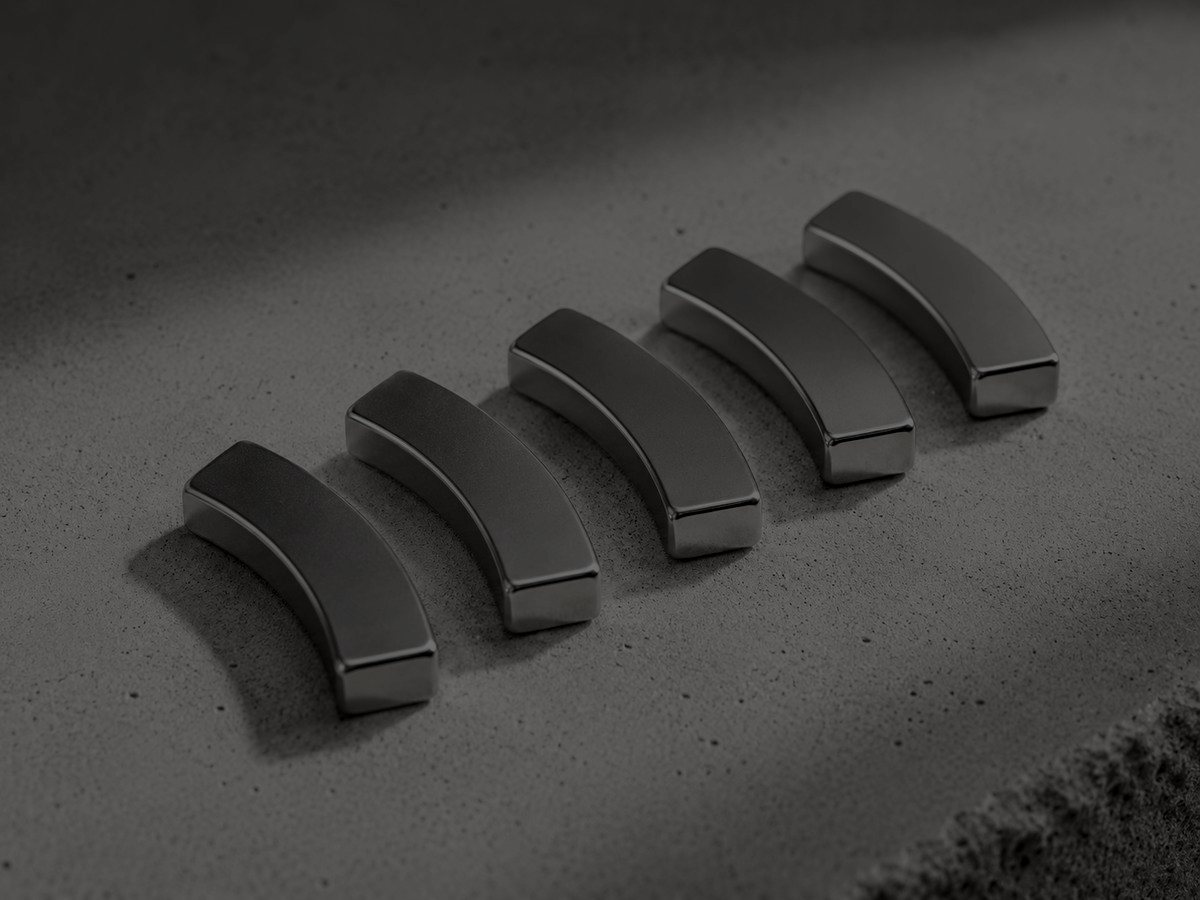
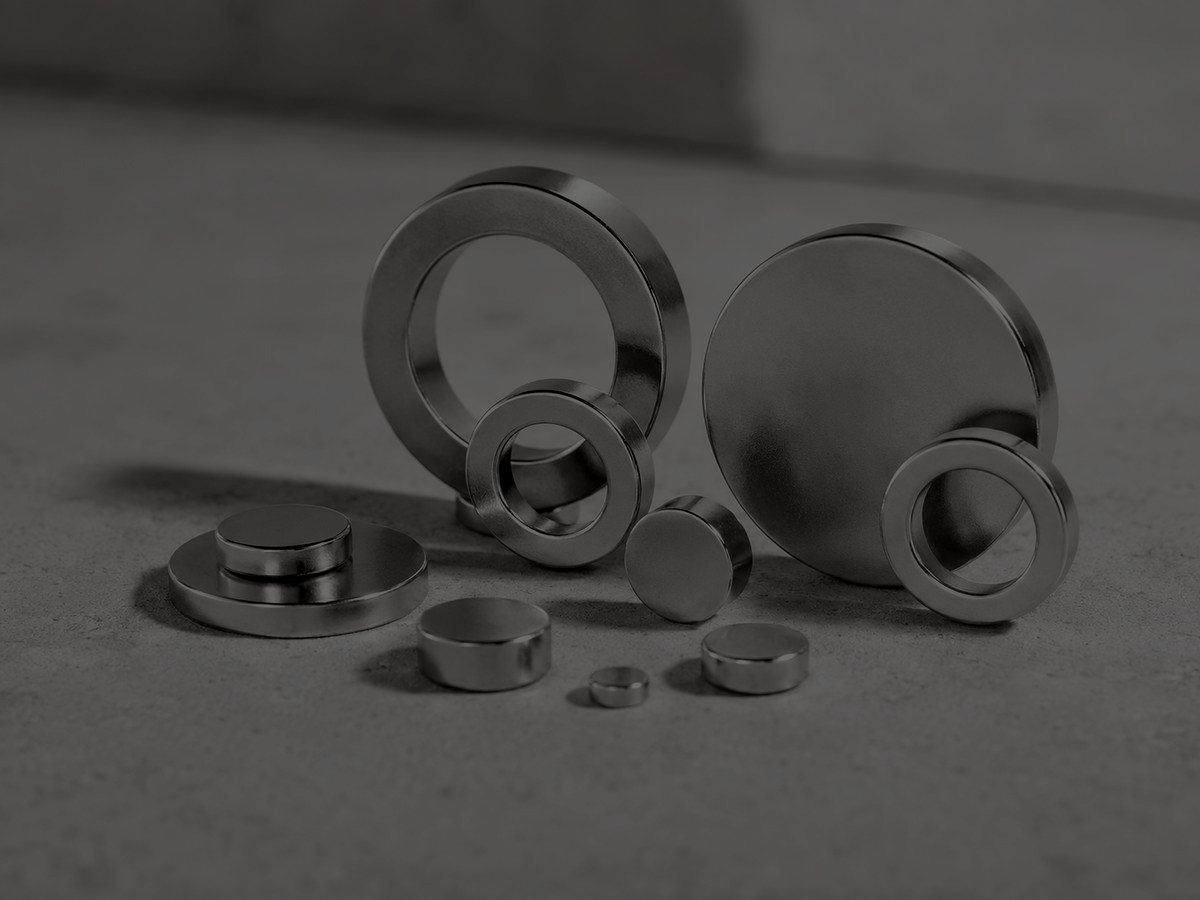
Other materials
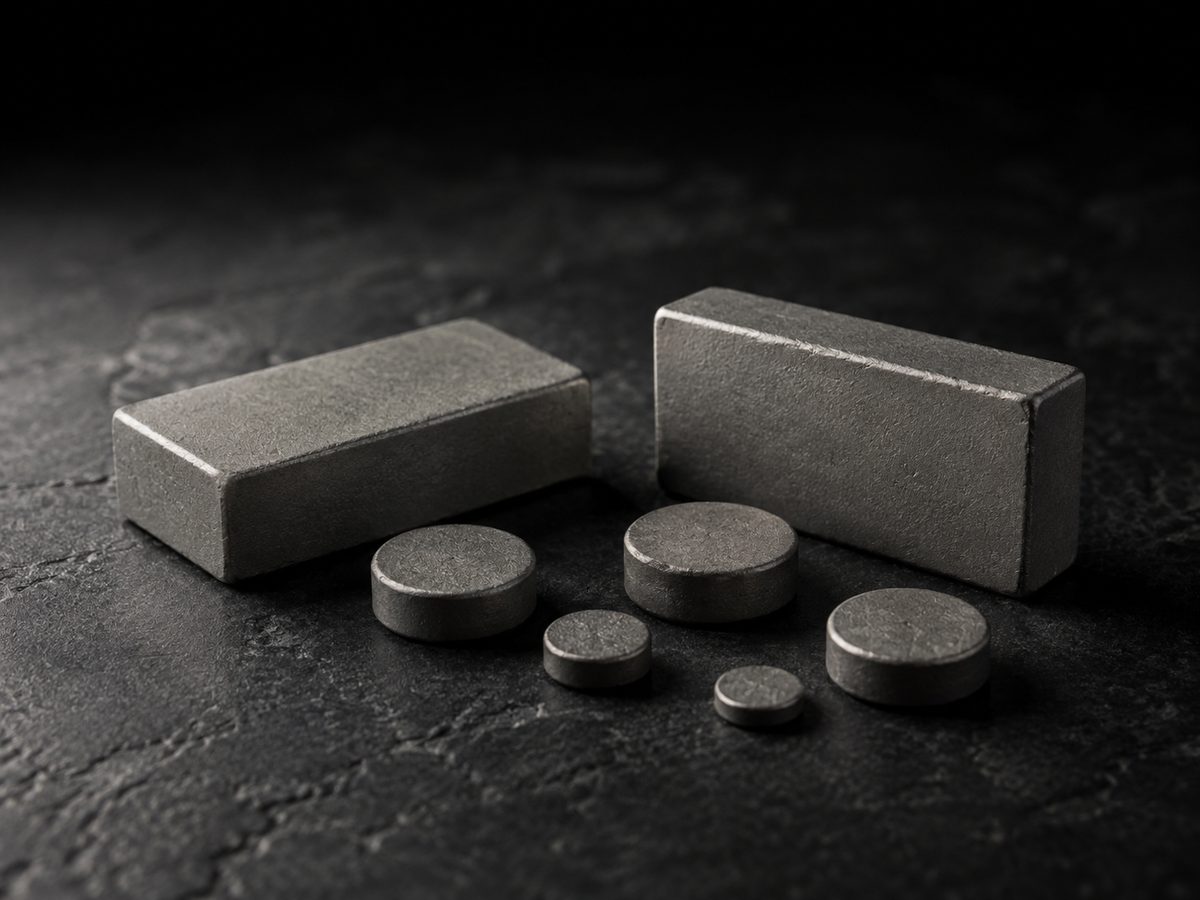
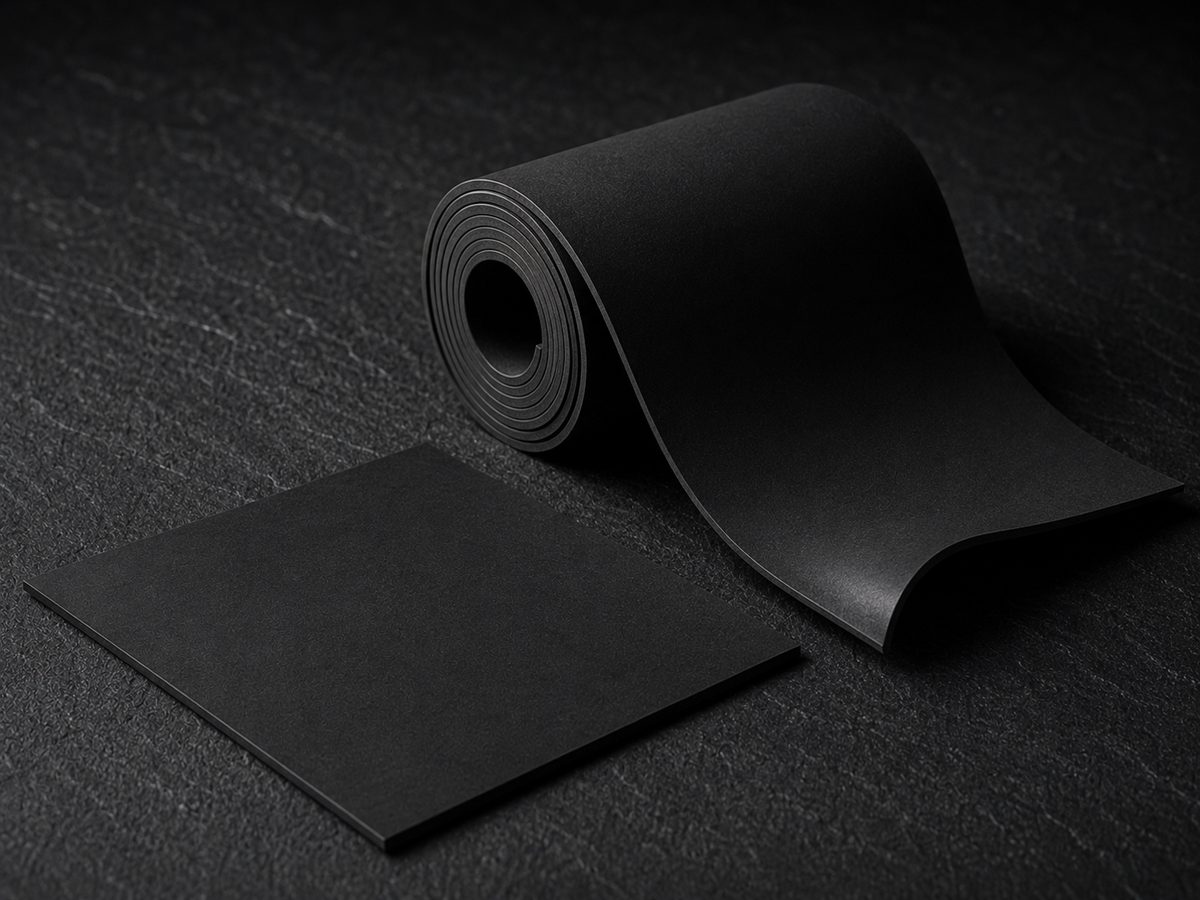
Capability
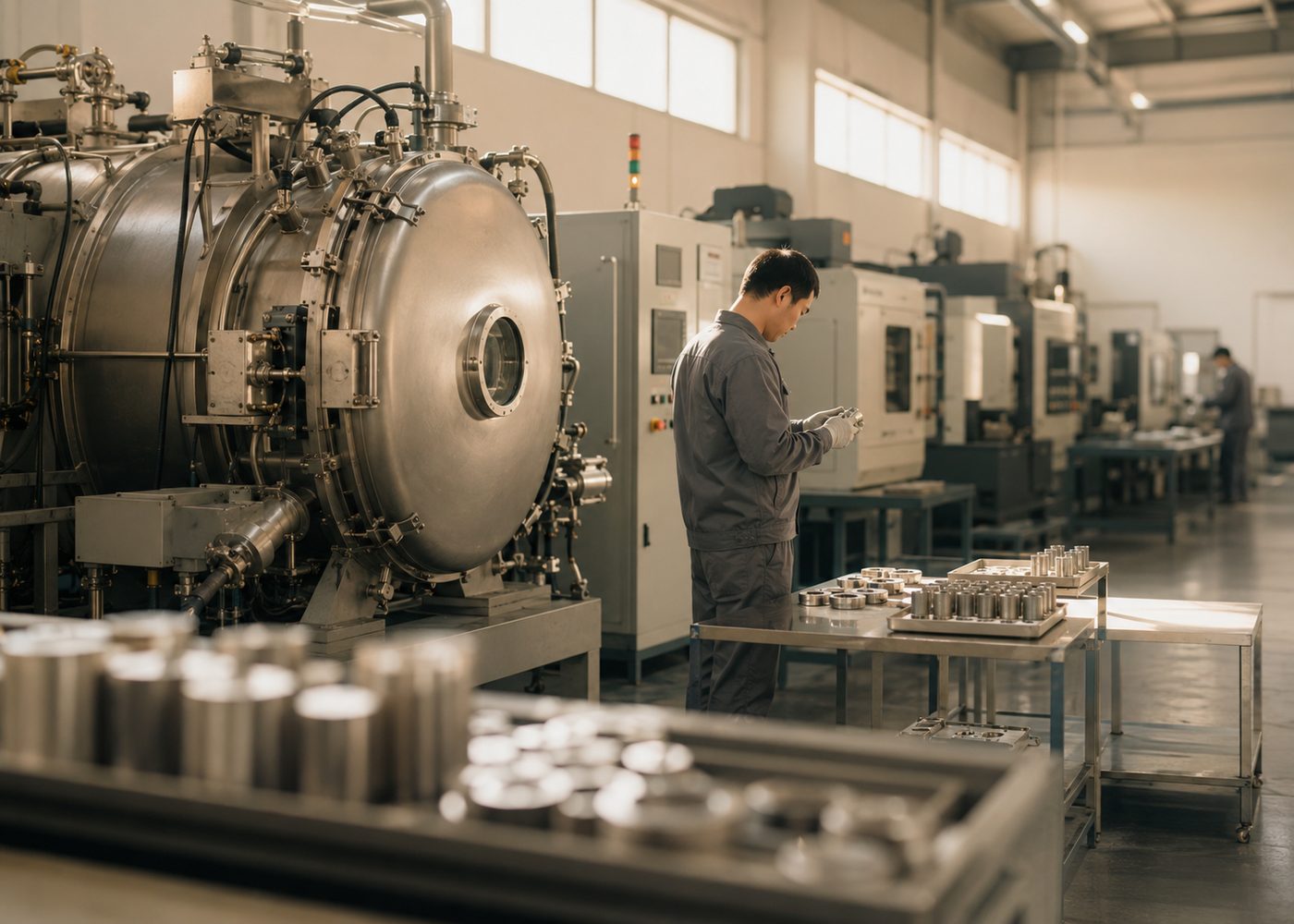
Pressed, sintered, ground and coated under one roof.
Vacuum melting, jet milling, isostatic pressing, vacuum sintering, CNC machining, electroplating and magnetising all happen on our own site in Yuyao. Nothing critical is subcontracted — which is why we can hold tolerance and still hit a 15-day sample.
Book a factory auditAnswers
What engineers actually ask
Which grade should I specify for a 140 °C motor?
Do not pick from the grade table alone. At 140 °C an SH grade is the usual starting point, but the decision depends on your permeance coefficient and the peak demagnetising field during stall or short-circuit. Send the magnet geometry, the operating and worst-case temperatures, the load line (or the surrounding steel and air-gap geometry), and the acceptable irreversible loss. A typical outcome is N42SH or N38UH; a thin, poorly-coupled magnet at the same temperature might need EH. If the section is thin, ask whether grain-boundary diffusion can hit the coercivity target at lower Dy content and higher Br.
Are these ceramic or ferrite magnets?
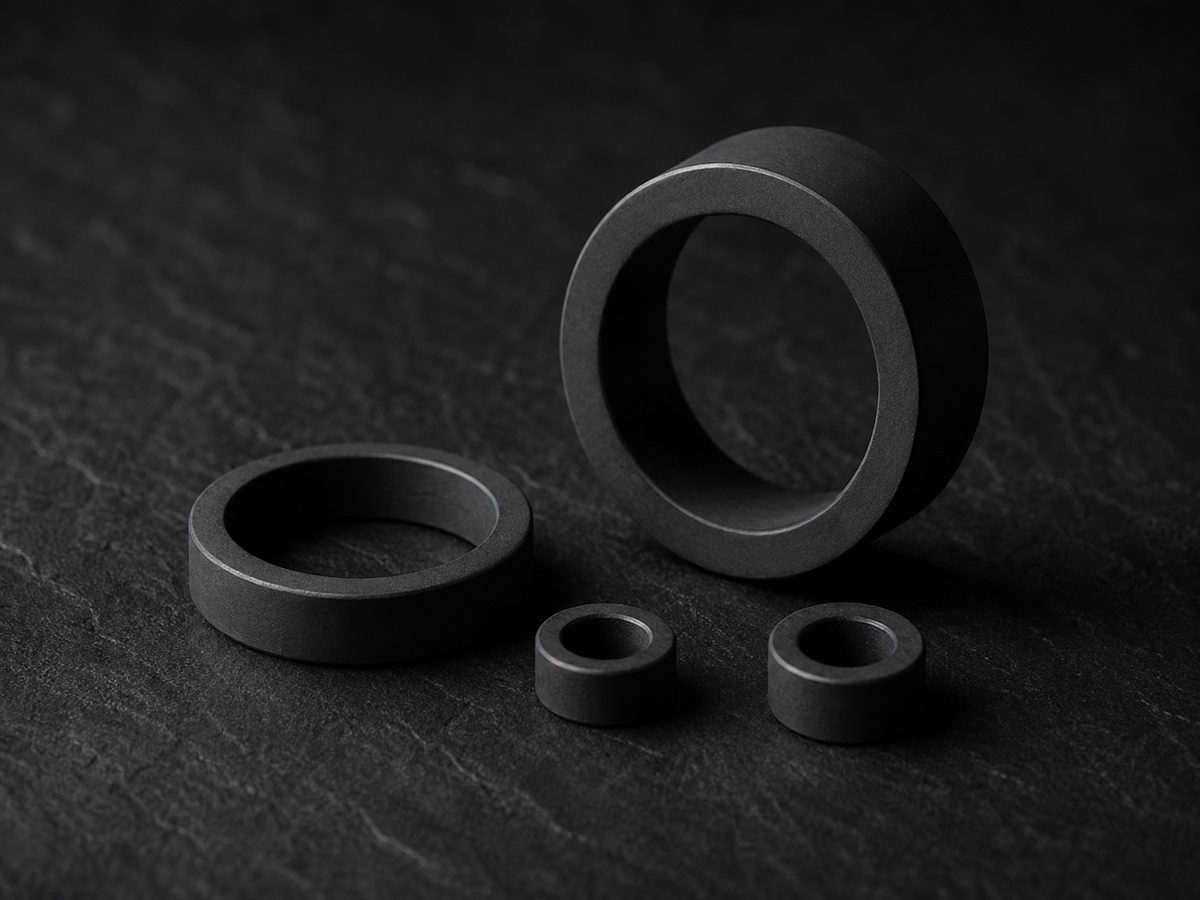
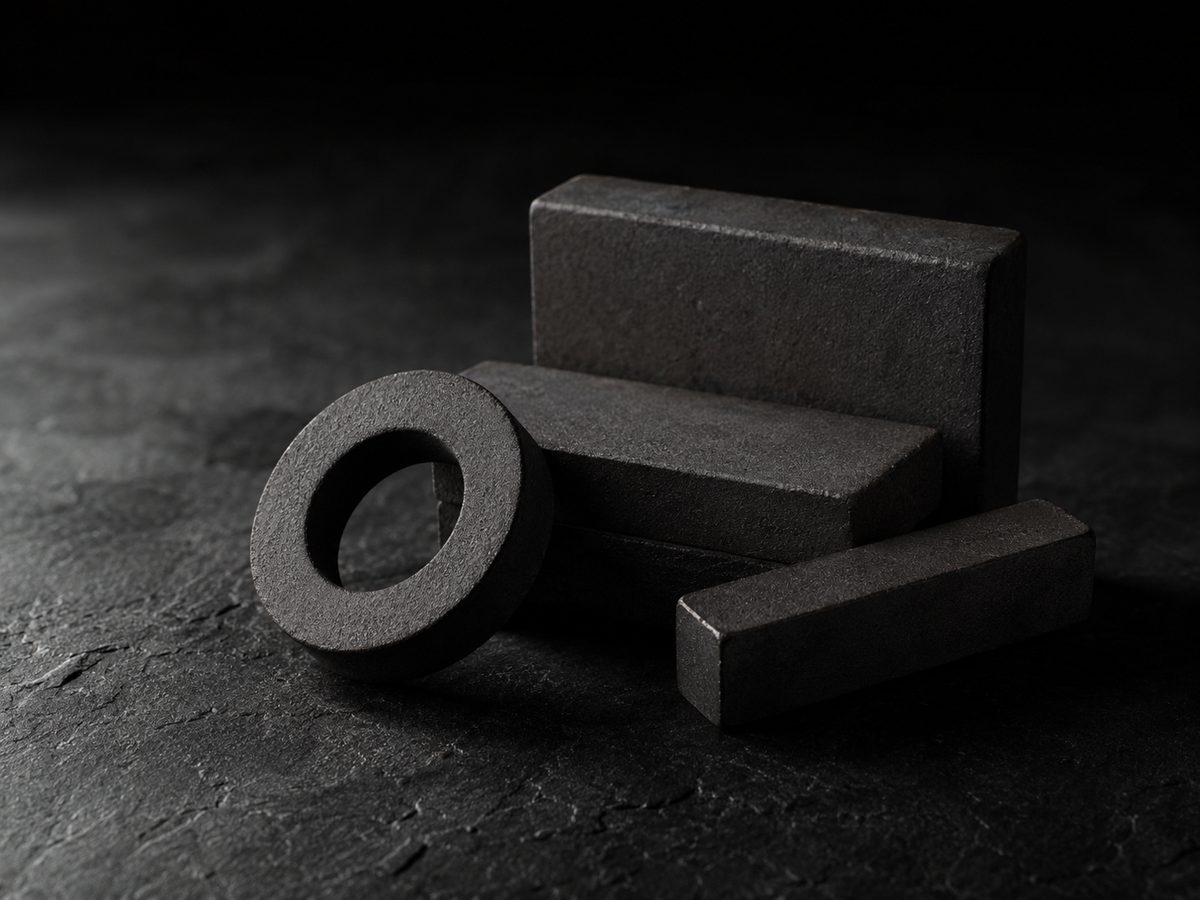
No. These are sintered NdFeB — a neodymium-iron-boron rare-earth alloy, pressed in an aligning field, sintered, machined and coated. Ceramic (ferrite) is a separate material class, a strontium or barium iron oxide with Br around 0.38–0.43 T and BHmax around 28–34 kJ/m³ (3.5–4.3 MGOe), against NdFeB's 1.17–1.48 T and 263–422 kJ/m³. The two are not interchangeable without redesigning the magnetic circuit. If you arrived here looking for ceramic blocks, ask for ferrite explicitly.
Can I just swap ferrite in where an NdFeB magnet is now, to cut cost?
Not as a drop-in. At the same geometry you will get roughly a third of the flux density, because Br is about 0.40 T against 1.30 T for a mid-grade NdFeB. To hold gap flux you need to grow the magnet volume by roughly 6-10 times and usually increase the pole area and the steel yoke with it. The swap makes commercial sense when the package has room and the machine is cost-driven — loudspeakers, separators, low-duty DC motors, holding devices. It rarely makes sense in a servo motor, a compact rotor, or anything where mass or envelope is a specification. The other reason to move is supply and price stability: ferrite is strontium carbonate and iron oxide, with no rare-earth exposure and none of the NdPr or dysprosium price volatility. The trap to watch is that the temperature failure mode inverts — an NdFeB design validated at the hot end has to be re-validated at the cold end.
SmCo 1:5 or 2:17 - how do I choose?
Default to 2:17 for energy product (24-32 MGOe versus 16-20), better temperature coefficient and higher usable temperature. Choose 1:5 when you need very high intrinsic coercivity in a thin or low-permeance geometry, when the part is small and fragile enough that 1:5's slightly better machinability and lower chipping tendency helps, or when resistance to an opposing demagnetising field matters more than raw flux. Note the trade-off: 1:5 is the harder of the two to saturate and needs a 40-50 kOe magnetising fixture, so confirm your magnetiser before committing.
Request a quote
Send the drawing.
We reply in 24 hours.
Grade, geometry, temperature and the field it works against. If you do not know the grade yet, say so — recommending one is part of the quote.
- Quote within one business day; samples in 15 days.
- Mark the magnetisation direction on your sketch — the most common omission.
- Your drawing stays confidential. NDA before you send, on request.